Ribose-5-Phosphate Isomerase Deficiency (RPI): AI-Driven Drug Discovery, 3D-Bioprinted Neural Models, Bedrock for Synthesizing RNA, DNA, ATP, BBB and Gene Therapy, Leukoencephalopathy
Keywords:
- Ribose-5-Phosphate Isomerase Deficiency; Pentose Phosphate Pathway; Artificial Intelligence (AI); Precision Medicine; Gene Therapy; 3D Bioprinting; Brain Organoids; Leukoencephalopathy
Abstract
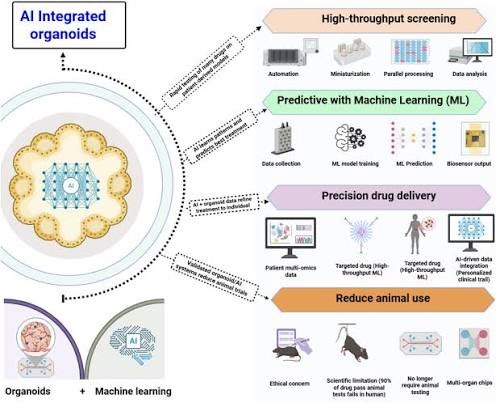
Ribose-5-Phosphate Isomerase Deficiency (RPI deficiency) is an ultra-rare genetic neurometabolic condition characterized by mutations in the RPIA gene, which causes disruptions in the non-oxidative pentose phosphate pathway. Disturbances in the metabolism of ribose-5-phosphate lead to disturbances in RNA, DNA, ATP, and other nucleotides' production, causing oxidative stress, mitochondrial defects, and neurological symptoms, such as leukoencephalopathy. This review outlines the molecular genetics, biochemistry, pathogenesis, and symptoms of RPI deficiency, and emphasizes the involvement of ribose-5-phosphate in the nucleotide and energy production within cells. Recent advancements in artificial intelligence (AI)-based drug discovery, precision medicine, metabolic pathway simulation, and drug repositioning for the identification of new drug targets are highlighted. Next-generation technologies including three-dimensional (3D) printed neural models, organoids derived from patient tissues, digital twins, drugs targeted against blood-brain barrier, and gene therapy are also described due to their capability to provide additional benefits for disease modeling and personalized medicine. At last, possible issues and future perspectives regarding the application of this technology to the clinic are presented in this review. The combination of AI, multi-omics tools, and new human-based disease models is expected to be a very promising approach for drug discovery and disease management of Ribose-5-Phosphate Isomerase Deficiency.