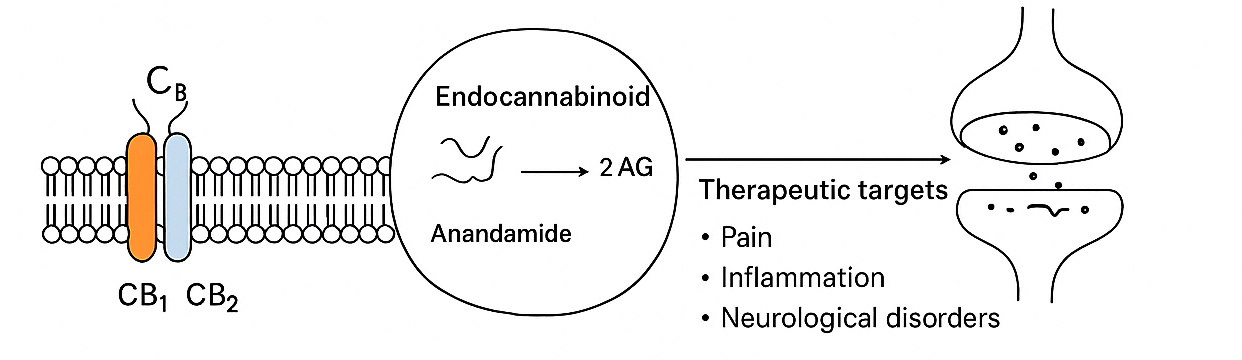
Endocannabinoid System Pharmacology: Therapeutic Promise and Clinical Pitfalls
DOI:
https://doi.org/10.64474/3107-6726.Vol2.Issue1.2Keywords:
- Endocannabinoid system, CB1 receptor, CB2 receptor, Anandamide, 2-AG, Cannabinoid pharmacology, Therapeutic targets, Clinical challenges
Abstract
The endocannabinoid system (ECS) has emerged as one of the most intriguing and therapeutically promising signaling networks in modern pharmacology. Comprising endogenous cannabinoids, G-protein coupled receptors, and metabolic enzymes, the ECS regulates an array of physiological processes including pain modulation, mood regulation, appetite, inflammation, and neuroprotection. Pharmacological modulation of this system offers immense therapeutic potential for disorders ranging from chronic pain and epilepsy to metabolic syndrome and neurodegenerative diseases. However, despite its promise, clinical translation has been impeded by significant safety concerns, complex receptor interactions, and unpredictable psychotropic effects. This review provides a comprehensive overview of the molecular pharmacology of the ECS, its therapeutic targets, and the challenges that hinder clinical application. Emphasis is placed on recent drug development efforts, translational hurdles, and future perspectives for safely harnessing the ECS in medicine.